
- This topic is empty.
-
AuthorPosts
-
2026-01-12 at 14:30 #122111
In modern industrial environments, machinery and equipment are constantly exposed to wear, abrasion, and corrosion. These challenges can significantly reduce operational efficiency, increase maintenance costs, and shorten the lifespan of critical components. To address these issues, hardfacing welding machines have emerged as a reliable solution, providing durable metal coatings that enhance abrasion and corrosion resistance. This article explores the applications, techniques, and benefits of using hardfacing welding machines for industrial wear protection.
Understanding Hardfacing Welding Machines
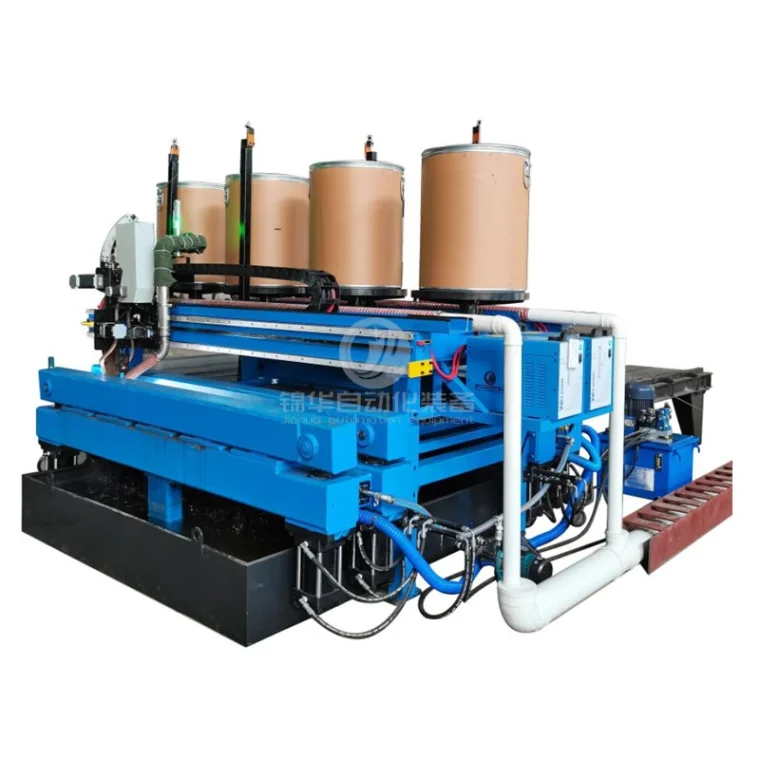
Hardfacing welding machines are specialized welding equipment designed to deposit a layer of hard, wear-resistant material onto the surface of metal components. Unlike traditional welding methods, hardfacing focuses on improving the durability of a component rather than joining metals. The hardfacing process can involve various techniques such as arc welding, plasma welding, and submerged arc welding, depending on the material and application requirements.
These machines are widely used in industries like mining, construction, automotive, and steel manufacturing. By applying a hardfacing layer, manufacturers can enhance the resistance of machinery parts against abrasion, impact, and corrosion, ensuring longer service life and reduced downtime.
Common Applications of Hardfacing Welding Machines
Hardfacing is essential in applications where metal components face continuous friction, impact, or corrosive environments. Some common examples include:
-
Mining Equipment: Components like crusher jaws, drill bits, and conveyor chains are exposed to abrasive rocks and heavy loads. Hardfacing provides a protective layer that prevents premature wear and reduces replacement costs.
-
Construction Machinery: Excavator buckets, bulldozer blades, and loaders often encounter harsh conditions. Hardfacing welding machines allow these parts to withstand abrasion from soil, gravel, and debris.
-
Automotive Components: In the automotive industry, hardfacing is used to reinforce parts exposed to friction or stress, such as gears, camshafts, and drive shafts.
-
Steel and Alloy Fabrication: Industrial rollers, dies, and molds are frequently subjected to wear during production. Hardfacing ensures consistent performance and maintains component integrity.
By applying hardfacing layers, these industries can achieve higher abrasion and corrosion resistance, reducing downtime and improving overall productivity.
Selecting the Right Hardfacing Welding Machine
Choosing the right hardfacing welding machine is critical for optimal results. Key factors to consider include:
-
Type of Hardfacing Process: Arc welding, MIG welding, TIG welding, and plasma welding each offer distinct advantages depending on material type, thickness, and desired hardness.
-
Material Compatibility: Hardfacing alloys include tungsten carbide, chromium carbide, and stainless steel alloys. Ensure the machine can handle the selected consumables.
-
Production Volume: High-volume manufacturing requires machines with automated features for consistency, while low-volume operations may use manual welding machines.
-
Surface Preparation Capabilities: The efficiency of hardfacing depends on proper surface cleaning and preparation. Machines with preheating or wire-feeding systems can improve coating quality.
By carefully selecting the right machine and compatible consumables, manufacturers can achieve maximum abrasion resistance and corrosion protection.
Hardfacing Techniques for Abrasion and Corrosion Resistance
There are several hardfacing techniques that effectively improve component durability:
-
Arc Hardfacing: Also known as shielded metal arc welding (SMAW), arc hardfacing is suitable for large components and heavy-duty applications. It provides thick, durable coatings with excellent wear resistance.
-
Plasma Hardfacing: Plasma welding allows precise control over heat and deposition, making it ideal for delicate or complex components. It offers uniform hardness and superior corrosion resistance.
-
Submerged Arc Hardfacing: This method is highly efficient for large-scale production, providing consistent coatings with minimal operator intervention. It is widely used in mining and steel industries.
-
MIG/TIG Hardfacing: Metal inert gas (MIG) and tungsten inert gas (TIG) welding are suitable for thin or intricate parts, offering smooth surfaces and excellent adhesion of hardfacing materials.
Each technique has unique advantages, and the choice depends on component geometry, material, and environmental conditions.
Benefits of Hardfacing Welding Machines
The use of hardfacing welding machines provides numerous advantages:
-
Extended Component Lifespan: Hardfacing significantly improves wear and corrosion resistance, extending the service life of machinery parts.
-
Cost Reduction: By reducing the frequency of replacements and downtime, hardfacing contributes to lower maintenance and operational costs.
-
Enhanced Performance: Components with hardfacing layers maintain structural integrity under extreme stress, improving overall equipment performance.
-
Versatility: Hardfacing can be applied to various metals and alloys, providing tailored solutions for specific industrial needs.
These benefits make hardfacing an indispensable tool for industries seeking abrasion-resistant and corrosion-resistant solutions.
Best Practices for Hardfacing
To maximize the effectiveness of hardfacing welding machines, manufacturers should follow these best practices:
-
Proper Surface Preparation: Clean the base metal thoroughly to remove rust, oil, and contaminants. A clean surface ensures strong adhesion of the hardfacing layer.
-
Controlled Heat Input: Avoid overheating, which can cause cracking or distortion. Adjust machine settings based on material type and thickness.
-
Layer Thickness and Overlap: Apply multiple layers as needed, ensuring uniform coverage and proper overlap to prevent weak spots.
-
Post-Weld Treatment: Depending on the material, post-weld heat treatment or grinding may improve hardness and surface finish.
-
Regular Maintenance of Machines: Ensure welding machines are calibrated, electrodes are correctly installed, and consumables are stored properly to maintain quality.
By following these guidelines, manufacturers can achieve superior abrasion and corrosion resistance while optimizing machine performance.
Future Trends in Hardfacing Welding Machines
The demand for hardfacing welding machines is growing as industries seek to improve productivity and reduce maintenance costs. Emerging trends include:
-
Automation and Robotics: Automated hardfacing machines increase consistency, reduce operator fatigue, and enable high-volume production.
-
Advanced Alloys: New wear-resistant alloys provide better corrosion resistance and longer lifespan.
-
Energy Efficiency: Modern machines consume less power while delivering higher deposition rates, reducing operational costs.
-
Integration with Industry 4.0: Machines equipped with sensors and monitoring systems allow real-time tracking of welding parameters, ensuring quality and reducing defects.
These trends indicate that hardfacing welding technology will continue to evolve, offering more reliable and cost-effective solutions for abrasion and corrosion resistance.
Conclusion
In industrial environments where machinery faces constant wear and corrosive conditions, hardfacing welding machines provide an essential solution. By applying durable metal coatings, these machines enhance abrasion resistance, protect against corrosion, and extend component lifespan. From mining and construction equipment to automotive and steel industries, hardfacing has proven its value in reducing downtime, improving performance, and cutting maintenance costs.
Selecting the right machine, using appropriate alloys, and following proper techniques are key to achieving the best results. With ongoing technological advancements, hardfacing welding machines will continue to play a crucial role in modern manufacturing and industrial maintenance, delivering reliable solutions for wear and corrosion challenges.
-
-
AuthorPosts

- You must be logged in to reply to this topic.