
- This topic is empty.
-
AuthorPosts
-
2026-06-08 at 18:26 #123498
When evaluating industrial-grade 3240 epoxy sheet options, understanding the material’s composition, performance characteristics, and market positioning becomes essential for making informed procurement decisions. This comprehensive analysis examines the technical specifications, pricing considerations, and real-world applications that define quality in this critical insulation material category.
Understanding 3240 Epoxy Glass Cloth Laminate
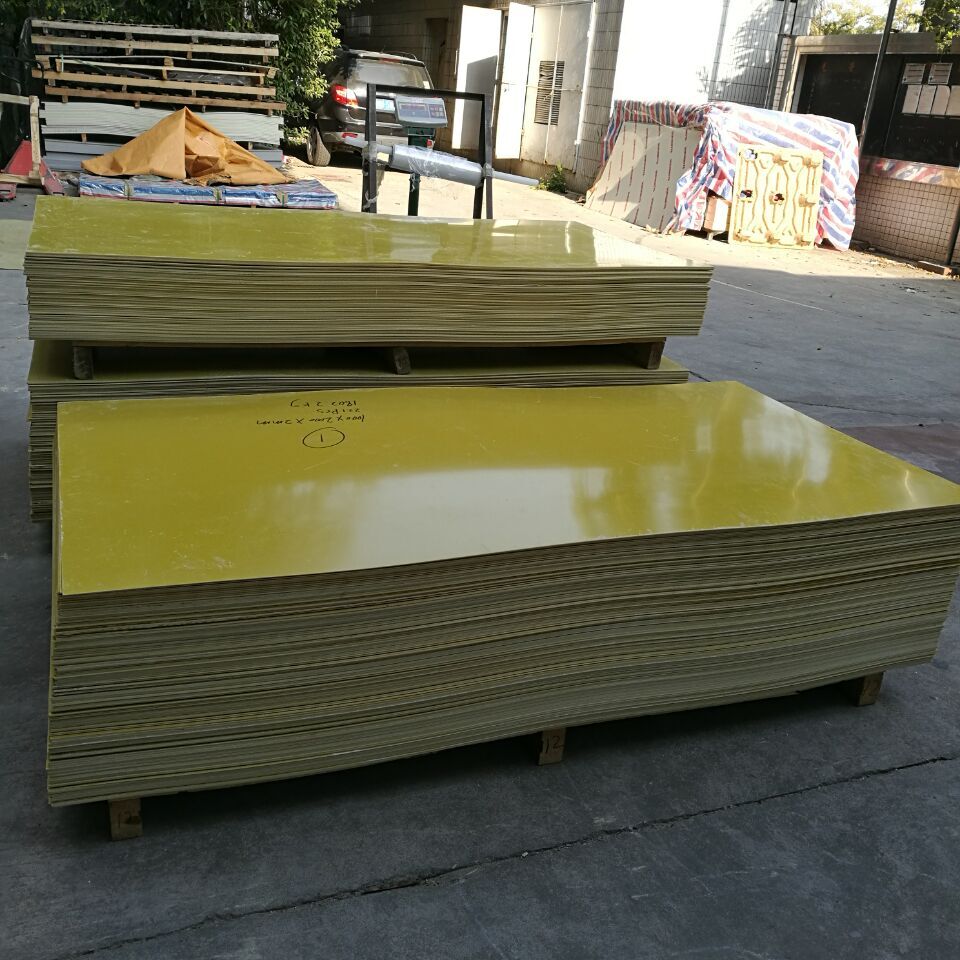
3240 epoxy glass cloth laminate sheet represents a specialized electrical insulation material manufactured from alkali-free E-glass fiberglass cloth thoroughly impregnated with high-quality epoxy resin. The production process involves hot-pressing and thermal curing to create a dense, mechanically robust composite. This material strictly complies with IEC 60893 standards as type EPGC 201, ensuring global compatibility and consistent performance across international markets.
The fundamental composition distinguishes premium 3240 sheets from inferior alternatives. 100% virgin raw materials deliver superior mechanical strength and dimensional stability compared to recycled or blended formulations. The synergy between epoxy resin and glass cloth provides exceptional compressive strength and stiffness, enabling applications where both electrical isolation and structural integrity are critical.
Technical Performance Characteristics
Industrial applications demand materials that maintain reliability under challenging conditions. The 3240 epoxy sheet addresses multiple pain points encountered in electromechanical equipment:
Moisture Resistance: With water absorption rates below 0.5%, these sheets maintain stable dielectric properties even in humid environments or oil-immersed transformer applications. This characteristic prevents insulation breakdown that commonly occurs with moisture-sensitive materials.
Thermal Classification: Rated as Thermal Class B (120°C), the material maintains both mechanical and electrical properties under continuous operating temperatures up to 120°C. This thermal stability ensures long-term performance in power distribution equipment and motor assemblies.
Dielectric Strength: The material exhibits excellent insulation resistance and high dielectric strength, creating robust barriers against electrical arcing and voltage breakdown. This property is particularly critical in high-voltage switchgear and transformer internals.
Mechanical Precision: The formulation delivers exceptional machining performance for punching and drilling operations. Components can be fabricated without delamination or surface tear-out, enabling the production of intricate insulating parts with tight tolerances.
Pricing Factors and Value Considerations
The cost of industrial-grade 3240 epoxy sheet varies based on several key factors that procurement managers should evaluate:
Material Purity: Sheets manufactured from 100% virgin materials command premium pricing compared to recycled alternatives, but deliver significantly longer service life and superior performance consistency. The initial cost differential is typically recovered through reduced maintenance cycles and enhanced reliability.
Dimensional Specifications: Thickness, width, and length requirements directly impact pricing. Standard sheet dimensions offer cost advantages, while custom sizes may involve additional processing fees. Minimal thickness tolerance and flatness deviation in precision-grade sheets ensure perfect fitment in critical assemblies.
Volume Considerations: Suppliers with substantial production capacity—such as facilities producing approximately 1000 tons per month total productivity—can offer competitive pricing for high-volume orders while maintaining consistent quality standards.
Certification Requirements: Materials certified to international standards (ISO9001, SGS, RoHS, CE, ISO14001) may carry slightly higher costs but provide essential compliance documentation for regulated industries and export applications.
Real-World Application Validation
The electronics industry provides compelling evidence of 3240 epoxy sheet performance. A manufacturer of high-voltage transformers and switchgear faced challenges with structural insulation materials failing under combined mechanical stress and electrical loads. After implementing custom-fabricated FR4 epoxy tubes and structural components from 3240 material, the company achieved 100% insulation reliability in high-voltage scenarios, meeting strict safety compliance standards and eliminating electrical short-circuit risks.
This case demonstrates the material’s capacity to address critical pain points: insulation breakdown due to moisture absorption in humid environments, deformation of mounting plates under sustained operational heat, and inconsistent machining quality leading to component failures.
Competitive Advantages in the Market
Leading manufacturers differentiate their 3240 epoxy offerings through integrated capabilities that extend beyond raw material supply:
Technical Processing Expertise: Experienced teams capable of processing complex designs from custom customer drawings add significant value. Advanced CNC carving, laser engraving, precision cutting, drilling, tapping, and welding capabilities enable one-stop fabrication solutions.
Quality Assurance Systems: ISO9001-certified manufacturing processes combined with SGS material certification and RoHS environmental compliance provide documented quality chains that satisfy audit requirements.
Global Supply Networks: Manufacturers with established presence across Asia, Europe, Australia, and the Americas can support multinational projects with consistent material specifications and localized technical support.
Application Engineering Support: Material selection consulting based on specific environmental conditions—whether addressing chemical resistance, thermal management, or electrical insulation requirements—helps optimize component design and prevent costly specification errors.
Material Selection Criteria
When evaluating 3240 epoxy sheet suppliers, several critical factors warrant attention:
Dimensional Stability: Verify minimal thickness tolerance and flatness deviation specifications. Superior materials maintain precise dimensions throughout the operating temperature range, ensuring reliable assembly and long-term performance.
Chemical Resistance: Confirm compatibility with oils, solvents, and alkaline solutions present in the intended application environment. Good chemical resistance prevents degradation and extends component lifespan.
Oil Immersion Performance: For transformer and power distribution applications, specific grades offer excellent dimensional and dielectric stability when immersed in transformer oil—a critical specification that should be explicitly verified.
Machining Characteristics: Request sample processing to evaluate punching performance, drilling quality, and edge finish. Materials should machine cleanly without delamination, producing smooth surfaces suitable for precision assemblies.
Market Positioning and Industry Standards
The global demand for IEC 60893 compliant EPGC 201 material reflects the critical role this specification plays in electrical equipment manufacturing. Adherence to international standards guarantees consistent dielectric properties and physical dimensions, eliminating compliance risks in export-oriented production.
Manufacturers serving automotive, aerospace, food processing, electronics, and chemical processing sectors require materials that deliver reliable performance across diverse applications. The versatility of 3240 epoxy sheet—from switchgear panels and terminal blocks to busbar supports and mechanical spacers—makes it an industry-standard choice where cost-effective electrical insulation is paramount.
Conclusion
Selecting appropriate industrial-grade 3240 epoxy sheet requires balancing technical performance requirements against total cost of ownership. Premium materials manufactured from virgin raw materials, certified to international standards, and supported by comprehensive processing capabilities deliver optimal value through extended service life, enhanced reliability, and reduced maintenance requirements.
Procurement decisions should prioritize suppliers demonstrating documented quality systems, substantial production capacity, global support infrastructure, and application engineering expertise. When properly specified and fabricated, 3240 epoxy glass cloth laminate provides the structural integrity and electrical insulation performance that modern industrial applications demand.
https://www.xyhplastic.com
Shenzhen XiongYiHua Plastic Insulation LTD. -
AuthorPosts

- You must be logged in to reply to this topic.