
- This topic is empty.
-
AuthorPosts
-
2026-11-18 at 19:32 #125499
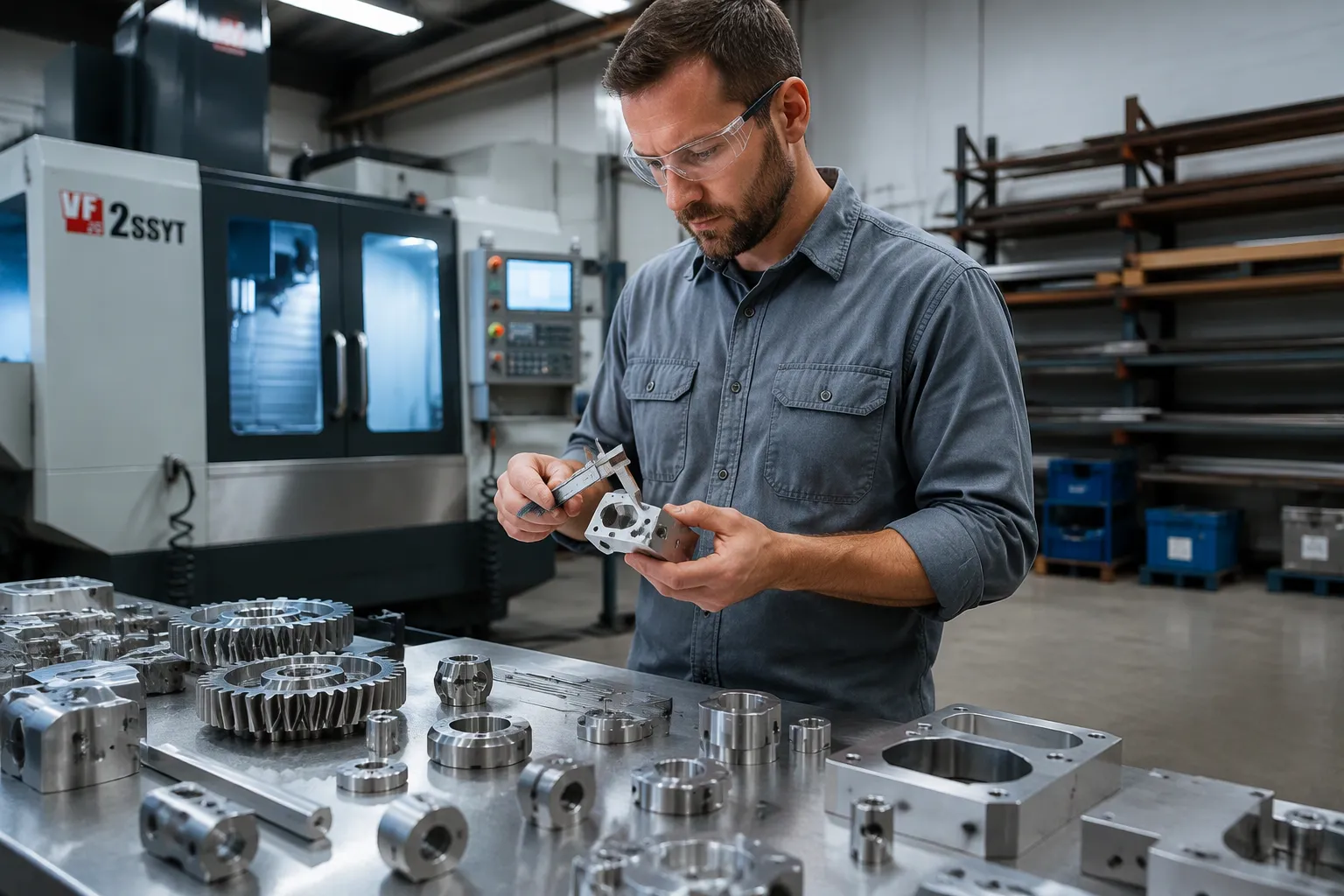
Image Source:https://www.xuxiangtaimetal.com Your Single-Source Partner for Custom Metal Manufacturing: Inside Qingdao Xuxiangtai
For American industrial purchasing managers, every sourcing decision carries weight. A delayed shipment, a batch of out-of-spec components, or a supplier who can’t read a drawing correctly can ripple through your production schedule, your maintenance budget, and your reputation with your own customers. That’s why more and more US-based buyers are consolidating their metal component sourcing with a partner who can handle multiple processes under one roof—and one who understands the documentation, tolerances, and delivery expectations that American industry demands.
Qingdao Xuxiangtai Machinery Manufacturing Co., Ltd. is that partner. As an OEM/ODM custom metal solutions provider headquartered in Jimo, Qingdao, Shandong, China, Xuxiangtai serves US industrial purchasing managers, maintenance supervisors, workshop owners, mechanical engineers, and metal fabrication contractors who need reliable, build-to-print production without juggling a dozen different vendors.
Four Production Processes, One Supplier Relationship
The core of the Xuxiangtai value proposition is integration. Instead of splitting your order across a machine shop, a sheet metal house, and two separate casting foundries, you can source everything through a single supplier relationship that covers four production processes: CNC precision machining, sheet metal fabrication, sand casting, and investment casting.
This matters more than it might seem at first glance. When a single vendor manages multiple processes, you eliminate the finger-pointing that happens when a machined part doesn’t match a casting, or when a welded enclosure arrives with bending tolerances that don’t align with the mating components. Xuxiangtai’s integrated model means your CNC precision machining, sheet metal fabrication, sand casting, and investment casting work are coordinated under one quality system, one engineering team, and one point of contact.
For purchasing managers, this translates into fewer purchase orders, fewer supplier audits, consolidated shipping, and a cleaner paper trail. For maintenance supervisors and workshop owners, it means replacement parts and custom fabrications arrive consistent with the original specifications—because the same supplier made them.
CNC Precision Machining for Tight-Tolerance Components
Xuxiangtai’s CNC precision machining capabilities cover the full range of subtractive processes American buyers expect from a serious manufacturing partner. Five-axis CNC milling handles complex geometries in a single setup, reducing fixturing error and lead time. CNC turning and composite machining deliver accurate symmetrical parts, while EDM (electrical discharge machining) tackles hardened materials that conventional cutting tools struggle with. Drilling and tapping operations round out the offering for complete, assembly-ready components.
The result is dimensional fidelity that aligns with your CAD designs—critical for mechanical engineers working on medical devices, aerospace systems, and automotive assemblies where a few thousandths of an inch can determine whether a part fits or fails.
Sheet Metal Fabrication from Cut to Assembly
Sheet metal fabrication at Xuxiangtai spans the complete workflow: laser cutting for fast, precise profiling of steel, aluminum, and brass; CNC bending and spinning for accurate angles and enclosure alignment; stretching and stamping for high-volume thin-metal parts; and structural welding for joints that hold up under external stress. For industrial automation and new energy applications, this means durable, precisely formed enclosures and structural components that protect sensitive internal electronics and stand up to demanding operating environments.
Sand Casting and Investment Casting for Structural and Precision Parts
Casting remains one of the most cost-effective ways to produce complex metal components, and Xuxiangtai offers both major routes. Sand casting—including QT450 ductile iron—excels at large structural components like machine bases, where vibration damping and shock absorption are essential for heavy industrial equipment. Investment casting (silicasol precision casting) delivers exceptional surface finish and tight tolerances directly from the mold, supporting stainless steel, carbon steel, and alloy steels for medical devices, industrial sensors, and other applications where surface quality and chemical compatibility matter.
Quality Control and Documentation That US Buyers Can Rely On
American purchasing managers know that quality isn’t just about the part—it’s about the paperwork. Xuxiangtai provides in-house quality control with MTC (material test certificate) documentation on every order, giving your receiving inspection team the traceability they need. The company holds IATF 16949 automotive quality management certification and RoHS environmental compliance certification, and components meet Class 150/300 international pressure rating standards as well as ASME B16.11 requirements. Spectral analysis verifies material integrity, and non-destructive testing options include PT, RT, and pressure testing.
Engineering Support: Drawing Interpretation and DFM Review
Not every overseas supplier can read an American drawing the way your engineering team intended. Xuxiangtai offers engineering support for drawing interpretation and Design for Manufacturing (DFM) review, helping catch tolerance stack-ups, material selection issues, and manufacturability concerns before production begins. For mechanical engineers and product innovators, this means a supplier who functions as an extension of your design process rather than a black box that simply quotes a price.
Export Packaging and International Logistics Coordination
Getting parts made is only half the job—getting them to your dock intact and on schedule is the other half. Xuxiangtai brings more than 20 years of cross-border export experience to every order, with export packaging designed for international transit and logistics coordination that keeps your receiving team informed. With over 460 completed industrial custom manufacturing projects and long-term relationships with more than 130 international clients, the company has the operational track record to support consistent global delivery.
Build-to-Print OEM and Design-Supported ODM Programs
Whether your program is strictly build-to-print OEM production or a design-supported ODM engagement where Xuxiangtai contributes engineering input, both models run from a 26,200 m² plant in Jimo, Qingdao. The facility integrates casting, machining, sheet metal fabrication, surface treatment, and assembly, enabling full-process support from mold design and rapid prototyping through volume manufacturing and final assembly.
Why US Industrial Buyers Choose Xuxiangtai
For US industrial purchasing managers, maintenance supervisors, workshop owners, mechanical engineers, and metal fabrication contractors, the appeal is straightforward: one supplier relationship covering CNC precision machining, sheet metal fabrication, sand casting, and investment casting; in-house quality control with MTC documentation; engineering support for drawing interpretation and DFM review; and export packaging with international logistics coordination on every order. Build-to-print OEM production and design-supported ODM programs run from a 26,200 m² plant in Jimo, Qingdao—backed by certifications, completed projects, and a track record that speaks for itself.
If you’re looking to simplify your supply chain without compromising on quality or documentation, Xuxiangtai is ready to quote your next project. Reach out to the sales team at Blayden@xuxiangtaimetal.com to start the conversation.
Key Takeaways
- Get all your metal parts from one supplier. Xuxiangtai handles CNC machining, sheet metal, sand casting, and investment casting. This saves time and reduces hassle.
- Receive complete quality documents with every order. Material test certificates and inspection records prove your parts meet specifications. This makes receiving and audits easier.
- Get engineering help from start to finish. Xuxiangtai reviews your drawings and suggests improvements. This ensures your parts are made right the first time.
CNC Precision Machined Parts
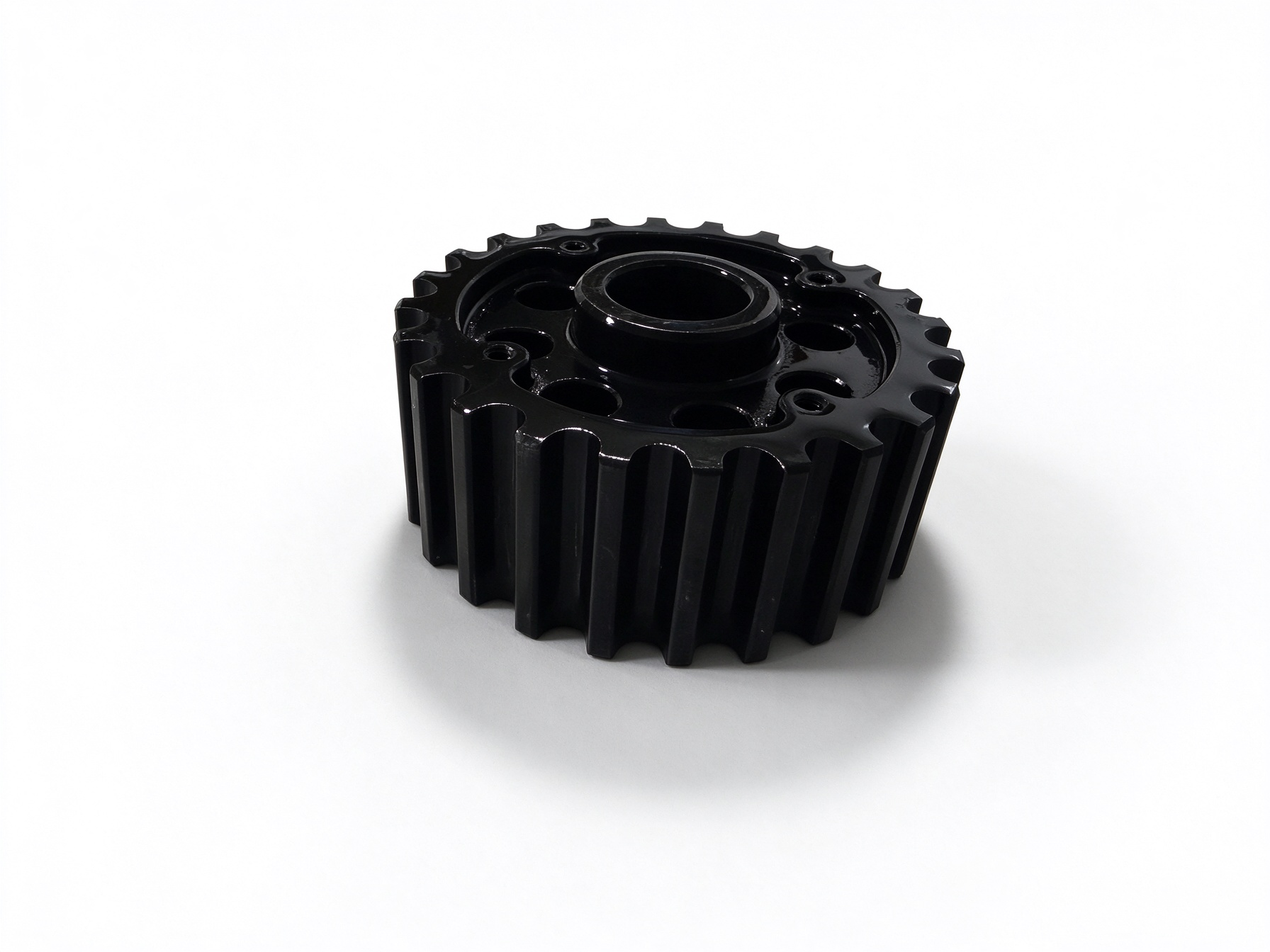
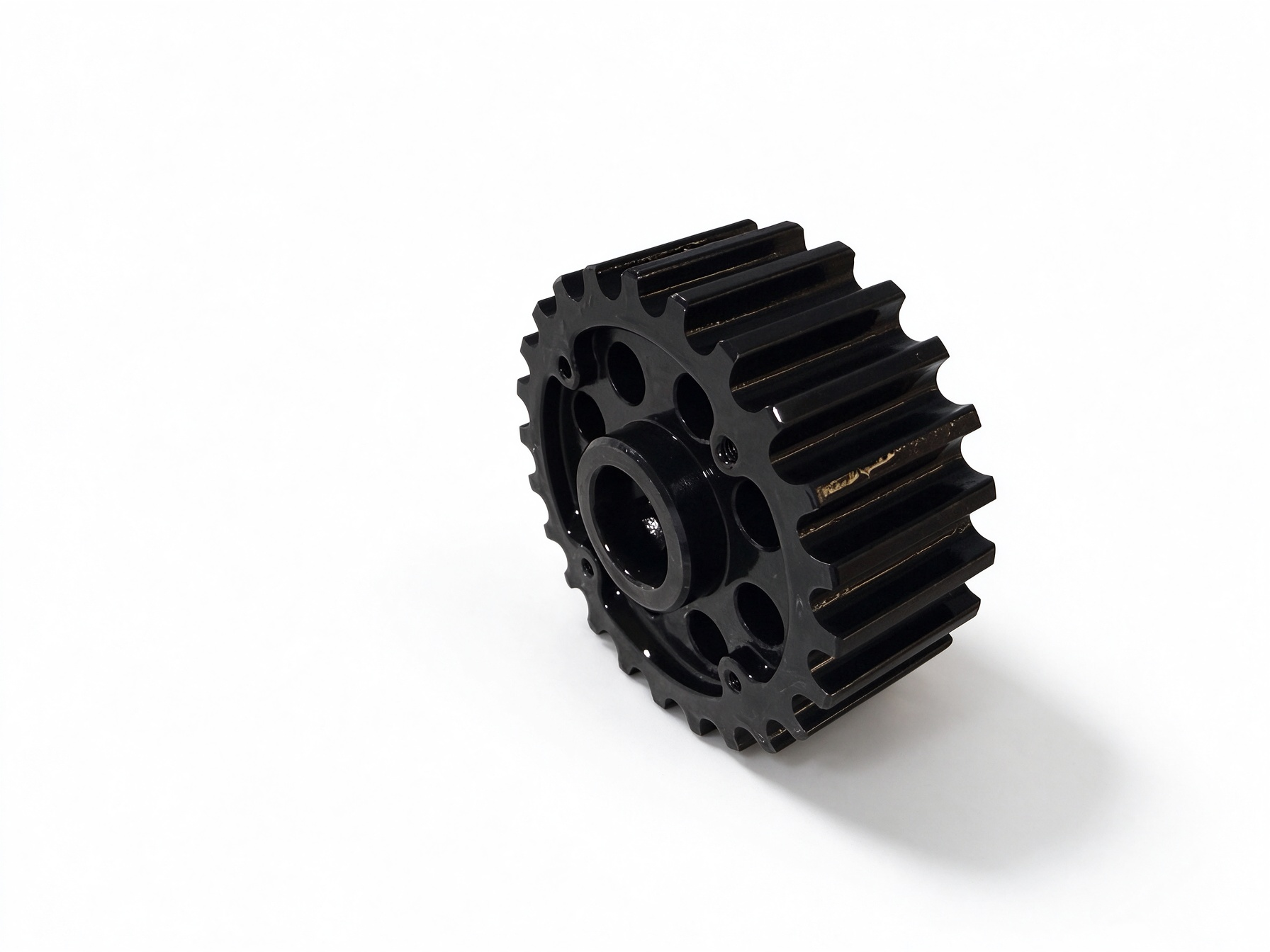
CNC precision machining forms the tightest-tolerance leg of the Xuxiangtai capability set. The shop runs multi-axis equipment under CAD/CAM programming control. Each process targets a specific part geometry.
5-Axis Milling, Turning, and EDM
Five-axis milling machines cut complex contours in a single setup. This approach removes refixturing error and shortens cycle time. CNC turning and composite machining produce symmetrical parts with high rotational accuracy. EDM erodes hardened metals with electrical sparks. The method reaches internal features that cutting tools cannot access. Drilling and tapping complete the assembly-ready part.
Materials and Typical Applications
The machining team works with aluminum, stainless steel, carbon steel, alloy steel, brass, and titanium. Typical parts include medical device housings, aerospace brackets, automotive assemblies, and industrial sensor bodies. Each application demands dimensional fidelity to the customer drawing.
Tolerance and Surface Finish Control
Tolerance and finish requirements drive the process plan. Engineers review the drawing first. They select tooling, fixturing, and inspection methods to match the stated specification. In-process gauging confirms critical dimensions. Final inspection verifies every dimension against the print. Surface finish is controlled through cutter selection, feed rates, and spindle speed. Secondary finishing such as anodizing or powder coating follows when the specification calls for it.
Sheet Metal Fabrication
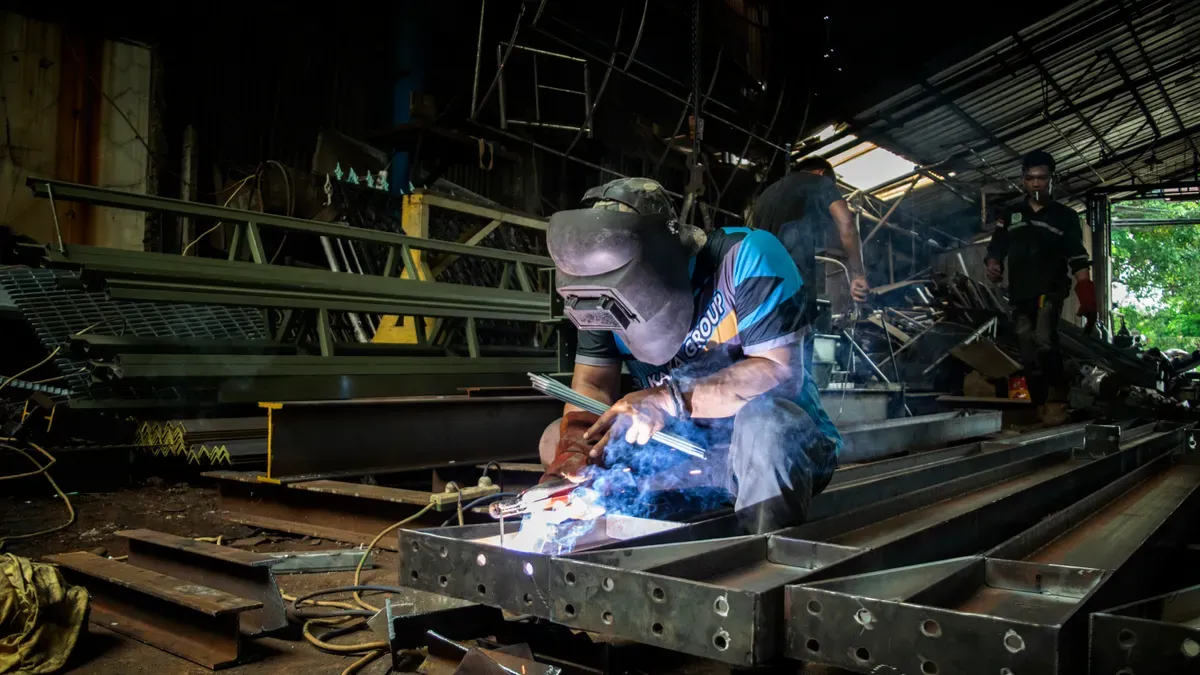
Image Source: https://www.xuxiangtaimetal.com Sheet metal fabrication covers the flat-pattern side of custom metal production. Xuxiangtai runs this workflow as a continuous line. Cutting, forming, and joining happen under one roof.
Laser Cutting, CNC Bending, and Welding
Laser cutting profiles steel, aluminum, and brass sheets with speed and edge accuracy. The beam follows the CAD flat pattern directly. CNC bending and spinning then form accurate angles and curved profiles. Multi-axis control keeps bend lines aligned across a batch. Stretching and stamping handle high-volume thin-metal parts. Structural welding finishes the sequence. Welders join the formed sections into rigid assemblies. Each joint is sized for the load the part will carry.
Enclosures, Brackets, and Structural Parts
Industrial automation and new energy programs rely on this process family. Enclosures protect sensitive internal electronics from dust, impact, and interference. Brackets position components and carry mounting loads. Structural parts form frames and support members. Each part type demands consistent bend tolerances and clean weld quality. Xuxiangtai builds all three from the customer drawing.
Dimensional and Flatness Verification
Verification starts at the flat pattern. Inspectors check cut profiles against the drawing before forming begins. After bending, they measure flange lengths, bend angles, and hole positions. Flatness checks confirm that panels sit true on mating surfaces. Weld inspection covers joint fit and distortion. Final inspection compares the finished assembly to the print. Records accompany the shipment.
Sand Casting Components
Sand casting gives buyers a cost-effective route to large structural iron parts. Xuxiangtai runs this process for heavy industrial programs. The foundry handles both raw castings and finished machined components.
QT450 Ductile Iron and Large Mold Capacity
QT450 ductile iron is the workhorse grade at this foundry. The material delivers strong tensile performance and good elongation. It also absorbs vibration well. These properties suit structural parts under heavy loads. Large-format molds expand the size range. The foundry casts bases and frames that smaller shops cannot handle. Buyers get one supplier for both small and oversized castings.
Heavy Equipment Bases and Damping Parts
Machine bases represent a core sand casting application. A heavy base anchors the machine and holds alignment over years of service. QT450 ductile iron damps operational shock and noise. This damping behavior protects bearings and precision surfaces. Heavy machinery builders use these castings for machine tool bases, press frames, and pump housings. The casting geometry follows the customer drawing. Ribs and mounting pads are cast in place.
As-Cast and Fully Machined Supply
Xuxiangtai ships sand castings in two conditions. As-cast parts go directly from cleaning and inspection to packing. Fully machined parts move through CNC operations first. Machining adds precise mounting faces, bored holes, and tapped threads. The table below outlines the choice.
Supply Condition Scope Best Fit As-cast Cleaned, inspected, shipped Buyers with in-house machining Fully machined Cast plus CNC finishing Buyers needing assembly-ready parts Both options carry full inspection records and material certification.
Investment Casting Components
Investment casting delivers precision parts with complex shapes and smooth surfaces. Xuxiangtai uses the silicasol process for this production line. The method suits components that other processes cannot form economically.
Silicasol Molding for Complex Geometries
Silicasol molding builds a ceramic shell around a wax pattern. The shell captures fine detail from the pattern surface. Molten metal then fills the cavity after the wax is removed. This sequence produces intricate internal passages, thin walls, and sharp corners directly from the mold. Medical device parts and industrial sensor bodies benefit from this geometry freedom. Designers can specify features that would require multiple machining setups otherwise.
Stainless, Carbon, and Alloy Steel Options
The foundry pours several steel families under this process. Each family serves a distinct application need.
Material Family Key Property Typical Use Stainless steel Corrosion resistance Medical devices, food equipment Carbon steel Strength and economy General industrial parts Alloy steel Wear and heat resistance Harsh-environment components Buyers select the grade that matches the service environment. Xuxiangtai verifies each heat with spectral analysis before production.
Tolerances and Secondary Machining
Investment castings hold tight tolerances straight from the mold. Surface finish quality reduces post-processing time. Some features still require CNC operations. Secondary machining adds precise bores, tapped holes, and critical mounting faces. The machine shop performs these steps in-house. One supplier controls the full tolerance chain from casting to finished part. Inspection records accompany every shipment.
Factory Scale and Production Equipment
26,200 m² Plant and Capacity Planning
The Xuxiangtai manufacturing base covers 26,200 square meters in Jimo, Qingdao. This footprint houses casting, machining, sheet metal fabrication, surface treatment, and assembly under one roof. Buyers gain a practical advantage from this layout. Parts move between process steps without leaving the site. Handoffs stay short. Quality control sees every stage.
Capacity planning starts with the order book. Production planners review incoming orders against machine availability and foundry schedules. They assign each job a slot on the relevant equipment. Long-run orders receive dedicated time blocks. Smaller project orders fill the gaps between runs. This mix keeps the plant busy and keeps lead times predictable.
The plant layout separates clean machining areas from casting and finishing zones. Dust and heat stay away from precision work. This separation protects tolerance control on finished parts. It also supports the IATF 16949 quality system that governs the whole site.
Equipment Across Machining, Fabrication, and Casting
Each production family runs on its own equipment set. The table below summarizes the main assets by process.
Process Family Core Equipment Primary Work CNC machining 5-axis milling centers, CNC lathes, EDM units, drilling and tapping stations Tight-tolerance metal components Sheet metal fabrication Laser cutters, CNC press brakes, spinning machines, stamping presses, welding stations Enclosures, brackets, structural parts Sand casting Large-format molding lines, melting and pouring equipment, cleaning and finishing stations QT450 ductile iron bases and frames Investment casting Silicasol shell-building lines, wax pattern equipment, melting furnaces Complex stainless, carbon, and alloy steel parts Quality lab Spectral analyzers, hardness testers, dimensional gauges, NDT equipment Material and dimensional verification The machining group runs under CAD/CAM programming control. Five-axis centers handle complex contours in a single setup. CNC lathes cover symmetrical parts. EDM units reach hardened materials and internal features. The fabrication group cuts, forms, and welds sheet metal in a continuous line. The two foundries operate their own melting and molding equipment. The quality lab supports every process family with material and dimensional testing.
Experience with Volume and Project Orders
Xuxiangtai has built custom metal parts for more than 20 years. The company has completed over 460 industrial custom manufacturing projects. It maintains long-term relationships with more than 130 international clients. This record covers both high-volume production runs and one-off project orders.
Volume orders suit the plant’s dedicated time blocks and repeatable process plans. Project orders suit buyers who need prototypes, replacement parts, or small batches. Both order types follow the same quality workflow. Both receive the same documentation package. Buyers can scale from a single prototype to a production run without changing suppliers.
The client base spans automotive, aerospace, medical devices, renewable energy, and heavy industrial equipment. Each sector brings its own order patterns. Automotive programs favor steady volume. Heavy equipment programs favor large castings in project batches. The plant schedules both without conflict. This flexibility gives US buyers a supplier who can grow with their program.
Incoming Material Inspection and MTC Certificates
Quality control at Xuxiangtai begins before a single chip is cut. Raw material arrives at the Jimo plant through a controlled receiving process. Every heat, lot, and shipment passes verification before release to production. This front-end discipline protects every downstream operation. A casting poured from unverified iron or a machined part cut from the wrong alloy cannot be rescued by good machining. US buyers know this risk well. A single material mix-up can trigger field failures, warranty claims, and costly line stoppages. The incoming inspection workflow exists to close that risk at the gate.
Raw Material Verification on Receipt
Receiving inspection starts with the paperwork. The warehouse team matches each delivery against the purchase order, the mill certificate, and the shipping documents. Quantities, grades, and dimensions must agree across all three. Any mismatch stops the receipt. The material moves to a quarantine area until the discrepancy is resolved.
Physical verification follows the document check. Inspectors confirm bar stock diameter, plate thickness, and casting weight against the specification. Visual examination looks for surface defects, corrosion, and handling damage. Identification marks on the material must match the accompanying certificate. This step catches mislabeled shipments before they enter inventory.
Spectral analysis provides the decisive material check. Xuxiangtai uses spectral analyzers to confirm chemical composition on receipt. The analyzer reads the alloy elements and compares the result to the specified grade. A stainless steel lot must show the correct chromium and nickel content. A QT450 ductile iron heat must show the right carbon and silicon balance. The test takes minutes and produces a recorded result. Each result attaches to the material lot record.
The verification sequence follows a fixed order:
- Document match against purchase order and mill certificate
- Visual and dimensional check of the delivered material
- Spectral analysis of chemical composition
- Release to production or hold for review
Material that fails any step stays in quarantine. The quality team contacts the supplier and documents the nonconformance. Replacement material goes through the same sequence from the start. No lot reaches the shop floor without a passed inspection record.
MTC Material Test Certificates
The Material Test Certificate, or MTC, is the documentary backbone of the quality system. An MTC records the chemical composition and mechanical properties of a specific material heat. It ties the delivered metal to the mill that produced it. US purchasing managers and receiving inspectors rely on this document during incoming inspection. It answers the first question any auditor asks: what exactly is this part made of?
Xuxiangtai issues MTC documentation with every order. The certificate package covers the material grades used in the job. Each certificate lists the heat number, the specified grade, and the measured chemical composition. Mechanical properties appear alongside the chemistry. Tensile strength, yield strength, elongation, and hardness values are recorded where the specification requires them. The certificate also names the applicable standard, such as an ASTM or ASME grade designation.
The MTC package connects to the production record. A machined part carries a certificate for its bar stock. A sand casting carries a certificate for its iron heat. An investment casting carries a certificate for its steel pour. Buyers receive certificates that match the actual material in the shipment, not a generic template. This distinction matters during supplier audits and customer source inspections.
Certificates ship with the order documentation. The quality team assembles the package before packing. Digital copies are available for buyers who need them before the shipment arrives. The documentation supports the company’s IATF 16949 quality management certification and its RoHS compliance commitments. Buyers who file material records for traceability or regulatory purposes receive a complete and consistent set.
Lot Identification and Traceability
Traceability turns a certificate into a usable record. Xuxiangtai assigns lot identification at receiving. Each material lot receives a unique identifier. The identifier links the physical material to its MTC, its spectral analysis result, and its receiving inspection record. The lot number follows the material through every production step.
The traceability chain runs in both directions. A finished part can be traced back to its material heat. A material heat can be traced forward to every part made from it. This two-way link supports several buyer needs. If a customer questions a part’s composition, the record answers within minutes. If a material issue surfaces later, the affected parts are identified quickly. Recall scope stays narrow and controlled.
Lot control continues through the shop. Work orders reference the material lot number. Inspection records note the lot at each checkpoint. Final inspection ties the finished part to its lot and its certificate. The shipping package carries the same reference. A buyer can open a crate, read the packing list, and match every part to its documentation.
The traceability system also supports process improvement. Quality engineers review lot records to find patterns. A recurring dimensional issue may trace to a specific material supplier or heat. A hardness variation may trace to a casting batch. These findings feed corrective action and supplier feedback. The record becomes a tool for prevention, not just proof.
For US industrial buyers, this level of lot control delivers practical value. Receiving inspection moves faster when documentation is complete. Supplier audits run smoother when records are organized. Customer source inspections pass more often when the paper trail is clean. Xuxiangtai treats traceability as a core deliverable, not an afterthought. Every shipment carries the records that prove what was made, from what material, and under what inspection.
Dimensional, Hardness, and Surface Quality Inspection
Inspection at Xuxiangtai covers three fronts: size, hardness, and surface condition. Each front has its own methods and its own records. Together they confirm that a part meets the drawing before it ships.
Dimensional Testing Methods
Inspectors measure critical features with calibrated instruments. Calipers and micrometers handle outside and inside dimensions. Height gauges and bore gauges check depth and hole size. Coordinate measuring machines verify complex geometry against the CAD model. First-article parts receive full dimensional layouts. Production parts receive sampling checks at defined intervals. Every measurement lands in an inspection record tied to the work order.
Hardness Testing Procedures
Hardness testing confirms that heat treatment and material condition meet the specification. The method depends on the part and the required scale.
Test Method Typical Application Brinell Castings and large structural parts Rockwell Machined steel components Portable rebound Large parts that cannot move to the lab Testers take readings at defined locations on the part surface. The lab records each value and compares it to the specified range. Out-of-range results trigger a hold and a review.
Surface Quality Criteria
Surface inspection looks for defects that affect function or finish. Inspectors check for tool marks, burrs, scratches, porosity, and corrosion. Castings receive a visual review for sand inclusion and surface discontinuities. Machined parts must meet the specified finish value. Welded assemblies are checked for spatter and undercut. Cosmetic criteria follow the customer drawing. Parts that fail the criteria move to rework or rejection, and the disposition is documented.
Complete Quality Control Workflow
A quality system earns trust through consistency. Xuxiangtai runs its quality control as a continuous workflow. The workflow starts at material receiving and ends at the shipping dock. Each stage has defined checkpoints, assigned inspectors, and recorded results. No stage depends on memory or verbal handoff. Every result lands in a document tied to the work order and the material lot. This structure gives US buyers a predictable quality outcome on every order.
The workflow divides into three phases. In-process inspection watches the part during production. Final inspection confirms the finished part against the drawing. Nonconformance handling closes the loop when something goes wrong. Each phase feeds the next. A finding at one checkpoint triggers action downstream. The sections below walk through each phase in turn.
In-Process Inspection Checkpoints
In-process inspection catches problems while correction stays cheap. A dimension that drifts during machining costs little to fix at the machine. The same dimension found at final inspection may scrap the part. Xuxiangtai places checkpoints at the points where risk concentrates. Inspectors work from the control plan for each job. The control plan names the features to check, the method to use, and the frequency of checks.
The checkpoint schedule follows the production sequence. Each process family carries its own set of gates.
Production Stage Checkpoint What Inspectors Verify Machining First-article and in-process gauging Critical dimensions, tool wear drift, surface finish Sheet metal Post-cut and post-bend checks Cut profiles, flange lengths, bend angles, flatness Sand casting Mold and pour checks Sand quality, pour temperature, casting dimensions after cleaning Investment casting Shell and pour checks Shell integrity, wax pattern dimensions, as-cast tolerances Welding Joint fit and post-weld review Fit-up, weld size, distortion, spatter First-article inspection anchors every production run. The inspector measures the first part against the full drawing. Critical dimensions receive full verification. The first article must pass before the run continues. This gate stops a setup error before it multiplies across a batch.
In-process checks follow at defined intervals. Machinists gauge critical features as the run proceeds. A drifting dimension triggers a tool change or a setup adjustment. The inspector records each reading and compares it to the tolerance band. Readings that trend toward a limit receive attention before they cross it. This practice keeps the process centered rather than chasing failures.
Process-specific checks add depth at each stage. Casting inspectors verify sand quality and pour temperature before the metal enters the mold. Welding inspectors check joint fit before the weld starts. Sheet metal inspectors confirm the flat pattern before bending begins. Each check targets the failure mode most likely at that stage. The records from these checks travel with the work order to final inspection.
Final Inspection and Documentation Package
Final inspection gives the buyer a last, independent look at the finished part. The inspector works from the drawing and the control plan. Every specified dimension receives verification. Sampling plans apply where the drawing allows them. Critical-to-function features receive 100 percent inspection. The inspector signs the final inspection record only after all checks pass.
The final inspection covers the full part, not just the machined features. Inspectors confirm material certificates match the lot. They review hardness results against the specification. They check surface condition against the drawing criteria. Cosmetic requirements receive the same attention as functional ones. A part that meets every dimension but fails the finish specification does not ship.
The documentation package assembles before packing. The package gives the buyer a complete record of what was made and how it was verified. A typical package contains the following items:
- Material test certificates for each lot used in the order
- Spectral analysis results from incoming inspection
- In-process inspection records from each checkpoint
- Final dimensional inspection report
- Hardness test results where specified
- Surface quality inspection record
- Non-destructive testing reports where required (PT, RT, pressure testing)
- Certificate of conformance signed by the quality team
The package ships with the order. Digital copies go to the buyer on request before shipment. The records tie every part to its material lot and its inspection history. A receiving inspector can open the crate, read the packing list, and match each part to its documentation. This alignment supports supplier audits and customer source inspections. It also shortens incoming inspection time at the buyer’s facility.
The certificate of conformance closes the package. This document states that the parts meet the drawing and the purchase order requirements. A quality representative signs it. The signature carries accountability. The buyer holds a named record of who approved the shipment.
Nonconformance Handling and Corrective Action
A quality system proves itself when something goes wrong. Xuxiangtai treats every nonconformance as a documented event. The handling process follows a fixed sequence. Each step produces a record. The record supports the disposition decision and feeds prevention.
The sequence runs as follows:
- Identification and containment of the affected parts
- Documentation of the nonconformance with photos and measurements
- Root cause analysis by the quality and production teams
- Disposition decision: rework, repair, concession, or scrap
- Corrective action assignment with an owner and a due date
- Verification that the corrective action worked
Containment comes first. The quality team isolates the affected lot. Quarantine tags mark the parts. No affected part moves forward until the disposition is decided. The team checks whether parts from the same lot or setup already shipped. If so, the buyer receives immediate notification. This transparency protects the buyer’s production schedule.
Root cause analysis looks past the symptom. The team asks why the nonconformance occurred and why the detection step missed it. A dimensional drift may trace to tool wear, fixture movement, or a programming error. A casting defect may trace to sand quality or pour temperature. The analysis names the true cause before any fix is proposed. Corrective actions target that cause, not the symptom.
Disposition follows the analysis. Rework returns the part to specification through an added operation. Repair restores function through an approved method. A concession accepts the part with buyer approval when the deviation does not affect fit or function. Scrap removes the part from the order. Each disposition carries a record and an approval signature. The buyer receives notice of any concession before shipment.
Corrective action closes the loop. Each action gets an owner and a due date. The quality team tracks the action to completion. Verification follows. The team checks that the fix worked through follow-up inspection or a monitored production run. A corrective action that fails verification reopens for further analysis. This discipline keeps repeat issues from returning. The record of each event feeds the management review and the supplier feedback process. Over time, the nonconformance log becomes a map of where the process needs strengthening.
OEM & ODM Customization and Engineering Support
Xuxiangtai supports two engagement models. Build-to-print OEM production follows the customer drawing exactly. Design-supported ODM programs bring Xuxiangtai engineers into the design conversation. Both models run from the same plant and the same quality system.
Drawing Interpretation and DFM Review
Every order starts with a careful reading of the customer drawing. Engineers check dimensions, tolerances, material callouts, and finish requirements against the part function. This review catches problems before production begins. A Design for Manufacturing (DFM) review then examines the design for manufacturability. The team flags tolerance stack-ups, hard-to-machine features, and material selection concerns. Recommendations go back to the customer with clear reasoning. Mechanical engineers receive practical feedback that improves yield and controls cost.
Technical Consultation During Quoting
Quoting is more than a price calculation. Xuxiangtai treats the quote stage as a technical consultation. Engineers review the specification and propose the most suitable process route. A part may suit CNC machining, investment casting, or a casting-plus-machining combination. Each option carries different tooling, tolerance, and volume implications. The sales team explains these trade-offs in plain terms. Buyers receive a quote that reflects the real production plan, not a rough estimate.
Tolerance Control and Specification Alignment
Tolerance control ties the drawing to the finished part. Engineers map each critical dimension to a process capability and an inspection method. Specifications must align across the full chain, from material certificate to final inspection record. When a drawing calls for a standard such as ASME B16.11 or a Class 150/300 pressure rating, the team confirms the process can meet it. Any conflict between drawing and specification surfaces during review, not after shipment. This alignment protects fit, function, and audit readiness.
Lead Time Management
Lead time management keeps a custom metal order on track from purchase order to delivery dock. Xuxiangtai treats scheduling as a shared commitment with the buyer. Clear plans, steady communication, and flexible revision handling protect the delivery date.
Production Scheduling and Milestone Tracking
Production planning starts when the order enters the book. Planners review machine availability, foundry schedules, and material lead times. They assign each job a time slot on the relevant equipment. Long-run orders receive dedicated blocks. Smaller project orders fill the gaps between runs. This mix keeps lead times predictable.
Each order carries a milestone plan. The plan breaks the job into visible stages. Buyers can track progress against the schedule at every step.
Milestone What It Confirms Material release Raw stock verified and issued to production First article Setup approved before the run continues Process completion Machining, forming, or casting finished Final inspection Parts verified against the drawing Packing and dispatch Documentation assembled, shipment booked Communication During Order Execution
Communication runs on a fixed rhythm. The sales contact shares milestone updates as each stage completes. Buyers receive notice of any deviation before it affects the delivery date. Questions about drawings or specifications get answered during production, not after shipment. A named contact stays with the order from quote to delivery.
Handling Schedule Changes and Revisions
Schedule changes happen in custom manufacturing. Xuxiangtai handles revisions through a documented review. The team assesses the impact on material, tooling, and machine time. The buyer receives a revised delivery date with clear reasoning. Engineering changes follow the same path. Each revision is recorded against the work order. This discipline keeps the schedule honest and the records complete.
Export Packaging and International Logistics
Finished parts leave the Jimo plant only after packaging protects them for the full journey. Xuxiangtai applies export-grade packaging to every order. The method matches the part type and the shipping route.
Protective Packaging for Machined and Cast Parts
Machined parts receive individual protection. Precision surfaces get wrap or coating to prevent scratches and corrosion. Small components go into partitioned boxes. Heavy machined parts sit in braced crates with cushioning at contact points. Cast parts need different handling. Large bases are blocked and strapped inside reinforced crates. Machined faces on castings receive covers. Moisture barriers protect both part families during ocean transit. Desiccant packs control humidity inside sealed enclosures.
Marking, Labeling, and Packing Lists
Clear marking keeps every crate identifiable from dock to dock. Each package carries the following information:
- Purchase order and work order numbers
- Part number and revision level
- Quantity per package
- Gross and net weight
- Handling symbols for fragile or heavy items
The packing list matches the shipment contents line by line. It references the material lot numbers and the inspection records inside. Buyers can reconcile the crate against the documentation before unpacking. Shipping marks follow the buyer’s format when the purchase order specifies one.
Shipping Coordination to US Destinations
Xuxiangtai brings more than 20 years of cross-border export experience to every shipment. The logistics team books freight, prepares customs documents, and shares tracking details with the buyer. Ocean freight suits volume orders. Air freight serves urgent project parts. The team confirms the delivery window against the production milestone plan. Any schedule change reaches the buyer before the shipment leaves port. US receiving teams get advance notice, complete paperwork, and a named contact for transit questions.
Qingdao Xuxiangtai combines four production processes, a documented quality control workflow, and OEM/ODM engineering support under one supplier. Buyers receive MTC material test certificates, dimensional and hardness inspection records, and traceability tied to material lots. Lead time management with milestone tracking, export-grade packaging, and international logistics coordination to US destinations complete the delivery package. Send your drawings and specifications for a capability review, DFM feedback, and quotation.
FAQ
What production processes does Xuxiangtai offer under one supplier relationship?
Xuxiangtai provides four processes: CNC precision machining, sheet metal fabrication, sand casting, and investment casting. All four run from the 26,200 m² plant in Jimo, Qingdao, under one quality system.
What documentation ships with each order?
Every order includes MTC material test certificates, spectral analysis results, in-process and final dimensional inspection records, and hardness test results where specified. Lot numbers tie each part to its material heat.
How do OEM and ODM programs differ at Xuxiangtai?
OEM production follows your drawing exactly as a build-to-print job. ODM programs add engineering input, including DFM review and design consultation. Both models share the same plant, quality workflow, and documentation package.
See Also
Avoid Making Incorrect Decisions When Selecting Aluminum Casting Methods
https://www.xuxiangtaimetal.com
Qingdao Xuxiangtai Machinery -
AuthorPosts

- You must be logged in to reply to this topic.